Blog
Automation in Manufacturing: What to Prepare Before Approaching a Supplier
22 October 2026 · Back to the blog
If you’re considering manufacturing automation, your first conversation with a supplier matters, and knowing what information to bring can make it much more productive. The clearer the picture, the faster we can scope the project, the more accurate the quote, and the less likely you are to pay for surprises further down the line.
This guide covers what’s worth gathering first, and it’s useful whether you’re approaching a supplier directly or seeking support like the Robotics Pathway Hub Wales. The Hub offers fully funded guidance for manufacturers exploring robotics, and we’re proud to be a part of it.
Map your manufacturing process
Start with how things work today. Automation in the manufacturing process only makes sense once you know what you’re improving. Write down each step from start to finish, note which are manual and which are already automated. Include how many people work on the process, what shifts you run and where the pressure points are.
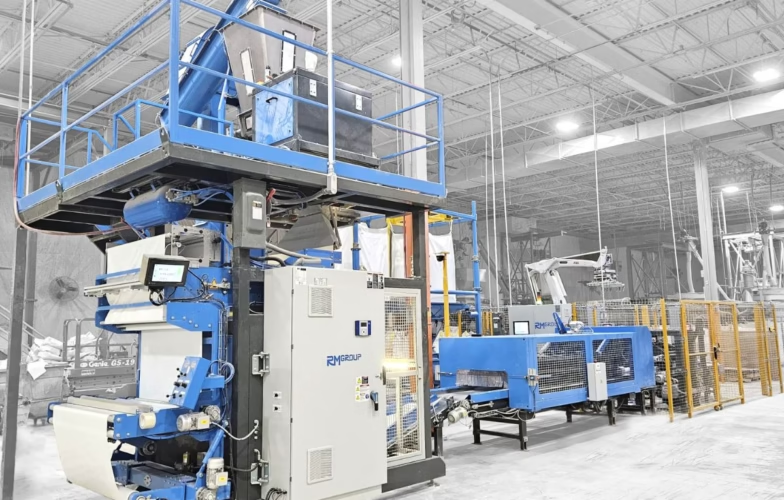
A simple walkthrough of the line, with photos, is often helpful so that we can get started. Being honest about what frustrates you, or what you feel is holding the line back, helps us focus on the most important problem.
Define your products
Your products determine what the system needs to handle. Gather the basics for each item, including dimensions, weight, material and packaging type. Make a note of any variants, such as different sizes, bag types, case formats or pallet patterns.
Think about fragility and handling. Does the product dent, spill or need to stay upright? Think about the future, too. If you’re likely to launch new lines or change packaging in the next few years, let us know. A system designed with flexibility from the start is ultimately cheaper than one that needs to be reworked later.
Set performance requirements
Be clear about what the system needs to achieve. You should start by considering:
- Throughput: how many units, cases or pallets per hour, including peak demand
- Uptime: how reliable the system needs to be and how much downtime your line can tolerate
- Accuracy and quality: any tolerances or standards the output must meet
- Changeover: how often you switch products and how quickly it needs to happen
- Return on investment: your payback target and how you’ll measure success
Even a rough target gives us something to design against. If you’re unsure, tell us what you do today and what you’d like to see improve.
Your existing industrial automation machines
A new system has to connect with the existing automation machines and equipment on your site. That could mean integrating with filling machines, conveyor modules, or labellers.
Make a list of what you have, including the make, model, age and condition. Note any known limitations and anything you plan to replace soon. If you can, find out what control systems and communication standards your machines use. This helps us design the integration properly.
Assess site conditions
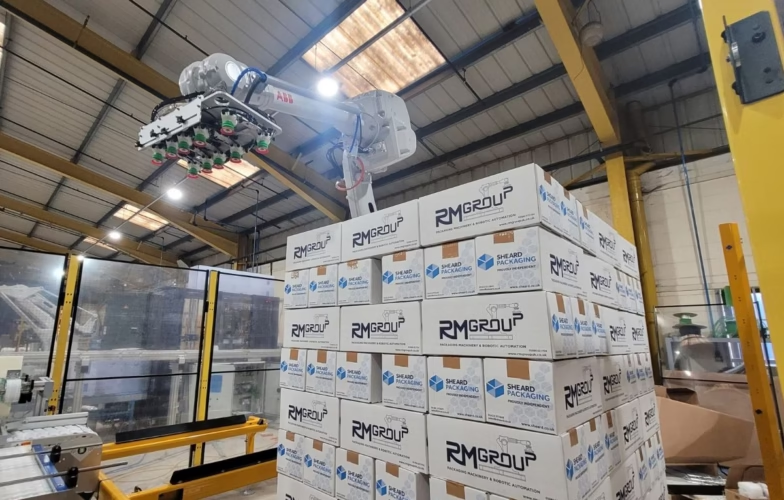
The right automation system needs the right space. Before you speak to a supplier, collect:
- Space and layout: floor plans or measurements, ceiling height and access routes for delivery and installation
- Environment: temperature, dust, moisture, washdown or hygiene requirements
- Power and air: what supplies are available and where they are
- Safety: how people and vehicles move around the area and any compliance requirements
A site visit will give us a fuller picture, but having this information to hand makes the first conversation much more useful.
Plan for testing
The best way to avoid costly mistakes is to prove the concept before you commit. Think about what you can provide for trials, such as sample products, packaging and materials, and what a successful trial looks like to you.
Simulation and engineering trials can show whether a solution will work before it’s built. This is where the Robotics Pathway Hub Wales may be particularly valuable. Its support includes fully funded engineering trials, system design and simulation, so you can test your ideas before making a major investment.
Approaching automation suppliers in the UK
Once you’ve gathered this information, you’re ready to talk to automation suppliers in the UK. Even if you don’t have all the information, a good supplier will help you fill in the gaps.
When you speak to suppliers, these six questions will help you get a better picture:
- Have you worked with similar products or industries?
- How will the system integrate with our existing equipment?
- What testing or proof of concept can you offer before we commit?
- What training, support and maintenance will be included after the handover?
- What finance or leasing options are available?
- What accreditations do you have?
At RMGroup, we design, manufacture and integrate robotics and automation systems. From consultancy and solution design through to installation and ongoing support, you can rest assured your automation project is in good hands.
We’re an ABB Value Provider, a Siemens Solutions Partner and an Automate UK Certified Robot Integrator. We can also help you with finance and leasing.
Whether you’ve got a full specification or just an idea and a list of questions, we’re happy to help. Get in touch with our team to talk through your project.