Blog
What Automation Means for UK SMEs
25 July 2026 · Back to the blog
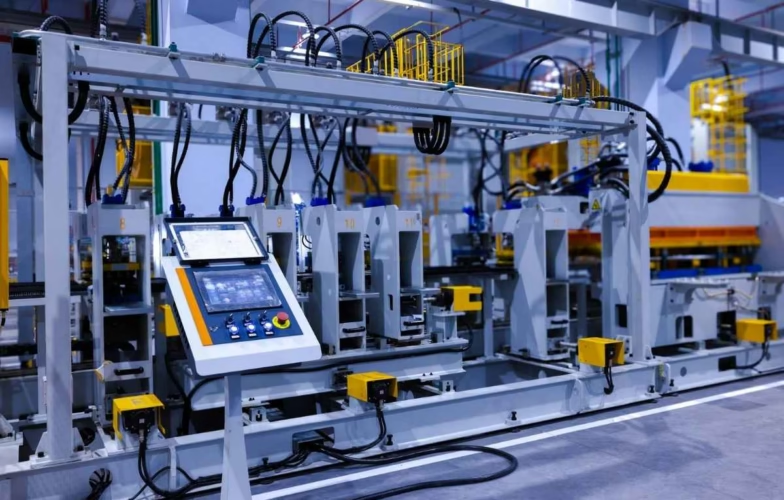
Automation in manufacturing is no longer reserved for large-scale enterprises with extensive resources. UK SMEs are recognising that automation is not just a competitive advantage, but a practical necessity.
As labour markets tighten, operational costs rise, and customer expectations grow, it’s more important than ever to understand how automation is used in manufacturing and how it can deliver measurable value.
Automation is transforming how manufacturers operate, from robotic systems on the production line to intelligent software managing workflows. It enables greater efficiency, consistency and scalability, allowing businesses to remain competitive in an evolving industrial landscape.
With SMEs accounting for over 90% of UK manufacturers, increasing access to automation is critical to sector-wide growth.
What Is Automation in Manufacturing?
Automation in manufacturing refers to the use of technology to perform production tasks with minimal human intervention. Examples of this include:
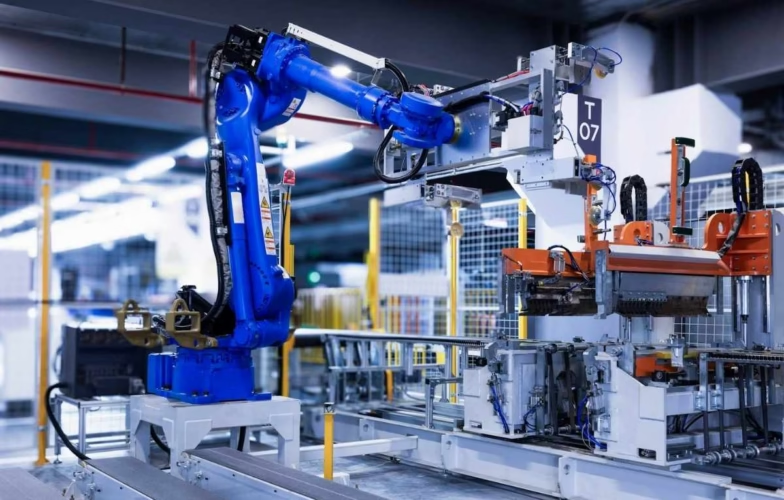
- Robotic assembly systems: Industrial robots used to assemble components with high precision and repeatability, particularly in sectors like automotive and electronics.
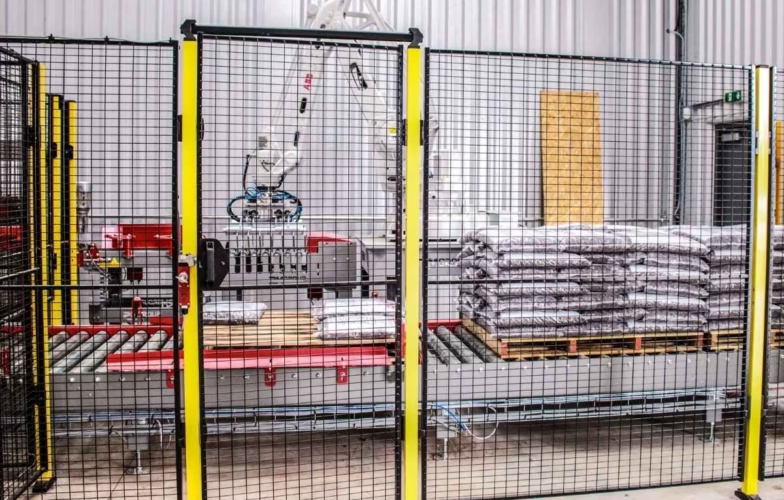
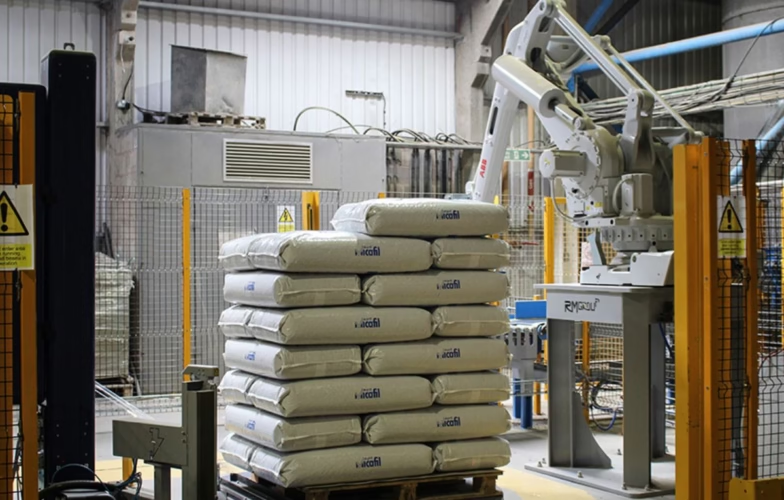
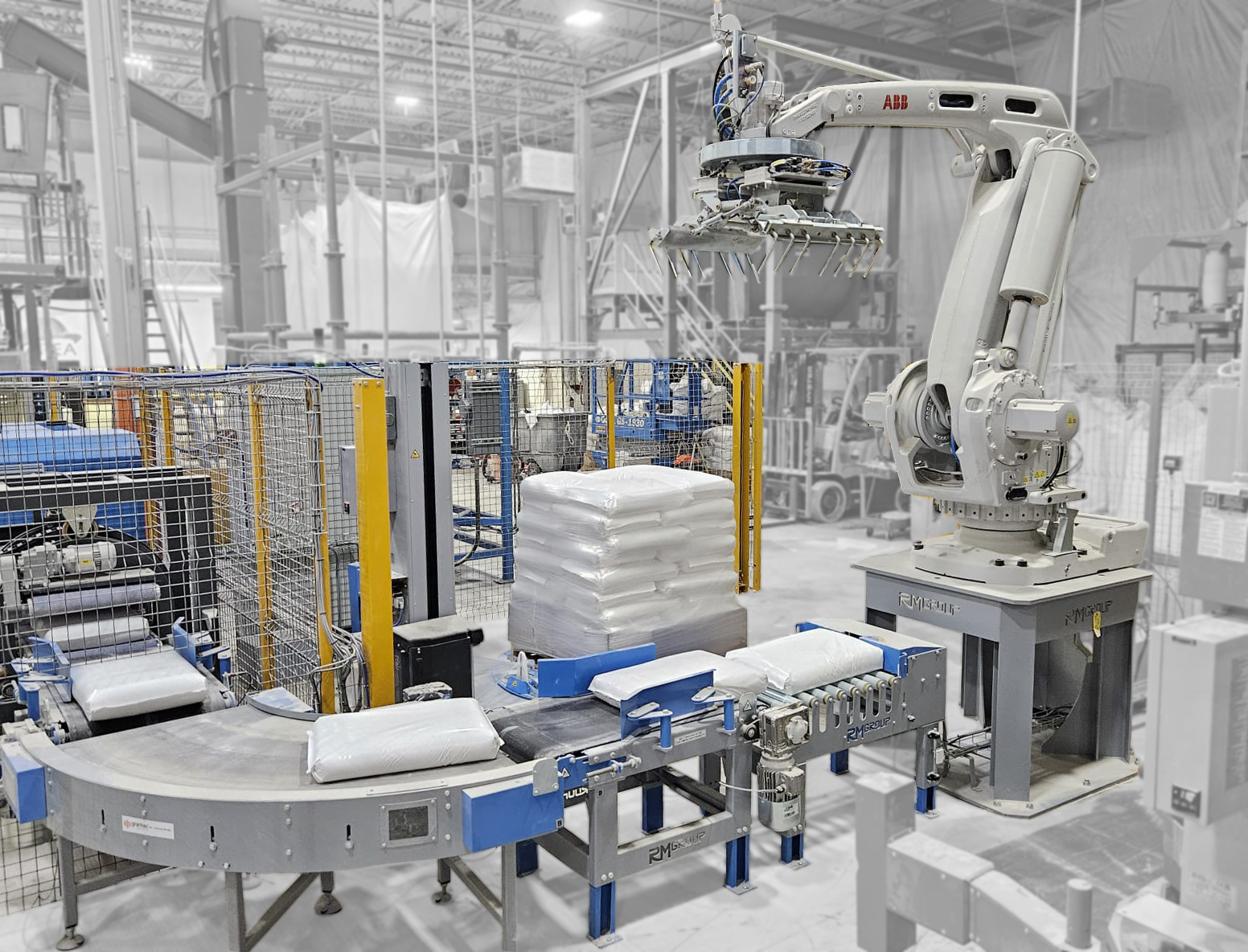
- Automated packaging and palletising: Systems that package products and prepare them for shipment, improving speed and reducing manual handling.
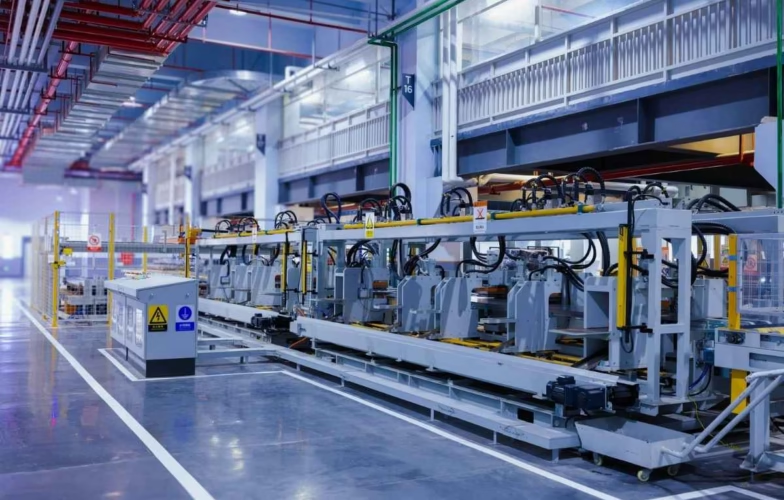
- Conveyor and material handling systems: Automated movement of materials between production stages, ensuring smooth and efficient workflows.
This can range from simple mechanised processes to fully integrated smart factories powered by data and AI.
Understanding how automation improves manufacturing starts with recognising its ability to streamline operations. By reducing manual input and standardising processes, manufacturers can achieve higher accuracy, faster production cycles, and improved overall efficiency.
How Is Automation Used in Manufacturing Today?
Automation is applied across a wide range of manufacturing processes, from assembly and packaging to quality inspection and logistics.
Robotics are commonly used for repetitive or high-precision tasks, while automated systems can monitor performance, detect faults and optimise workflows in real time.
In modern facilities, automation also extends beyond the shop floor. Digital tools integrate supply chains, manage inventory, and provide insights that support better decision-making.
This interconnected approach demonstrates how automation is useful in manufacturing, not just for production, but for the entire operational ecosystem.
The Importance of Automation in the Manufacturing Process
The importance of automation in manufacturing processes lies in its ability to address some of the sector’s most pressing challenges. With ongoing skills shortages and increasing demand for efficiency, automation offers a reliable way to maintain output and quality.
It also plays a critical role in ensuring consistency. Automated systems follow predefined parameters, reducing variability and minimising errors. This is particularly valuable in industries where precision and compliance are essential.
Ultimately, automation supports sustainable growth by enabling manufacturers to do more with fewer resources.
What Are the Main Benefits of Automation in Manufacturing?
The main benefits of automation in manufacturing extend across performance, cost and competitiveness. Research shows that manufacturers adopting automation and digital technologies can achieve productivity gains of around 25%, while reducing defects by over a quarter.
By automating key processes, manufacturers can significantly improve their production flow while reducing operational inefficiencies.
Automation also enhances workplace safety by removing the need for manual handling in hazardous environments. At the same time, it provides valuable data that can be used to refine processes and drive continuous improvement.
Perhaps most importantly, automation enables long-term scalability. As demand grows, businesses can expand production capacity without the same level of dependency on additional labour, positioning them for success in a global market.
How UK SMEs Can Benefit from Automation
For many UK manufacturers, particularly SMEs, the barriers to automation can feel significant. Nearly half of manufacturers identify a lack of technical skills as a key barrier to adopting automation.
Skills shortages, legacy equipment, investment concerns and integration complexity also often slow adoption.
However, the benefits are increasingly difficult to ignore. Data consistently shows that manufacturers embracing digital technologies achieve higher productivity and greater revenue per employee.
Automation also helps SMEs tackle key operational challenges:
- Labour shortages: Maintaining output despite recruitment difficulties
- Consistent quality: Reducing defects through standardised processes
- Increased productivity: Enabling continuous, efficient operations
- Greater resilience: Responding quickly to market changes and supply chain disruptions
For SMEs, automation is not about replacing people; it’s about empowering businesses to scale efficiently without proportionally increasing labour costs.
The Future of Manufacturing Automation
Automation is reshaping manufacturing by improving efficiency, consistency and resilience across the industry.
For UK SMEs, it offers a practical pathway to overcoming labour shortages, increasing productivity and remaining competitive.
While adoption may come with challenges, the long-term benefits are evident: automation helps manufacturers scale more intelligently, run more efficiently and prepare their operations for future challenges in an increasingly competitive market.
At RMGroup, we specialise in end-of-line automation.
Our robotic pick-and-place cells provide fast, reliable, and safe automation solutions for industries such as food, beverage and pharmaceuticals. Our palletising robots are designed to ensure seamless integration with your production line, reducing overhead costs immediately and boosting efficiency.
Contact us today to start your automation journey with expert guidance.