Blog
How to Automate Your Packaging Process in Manufacturing
29 April 2026 · Back to the blog
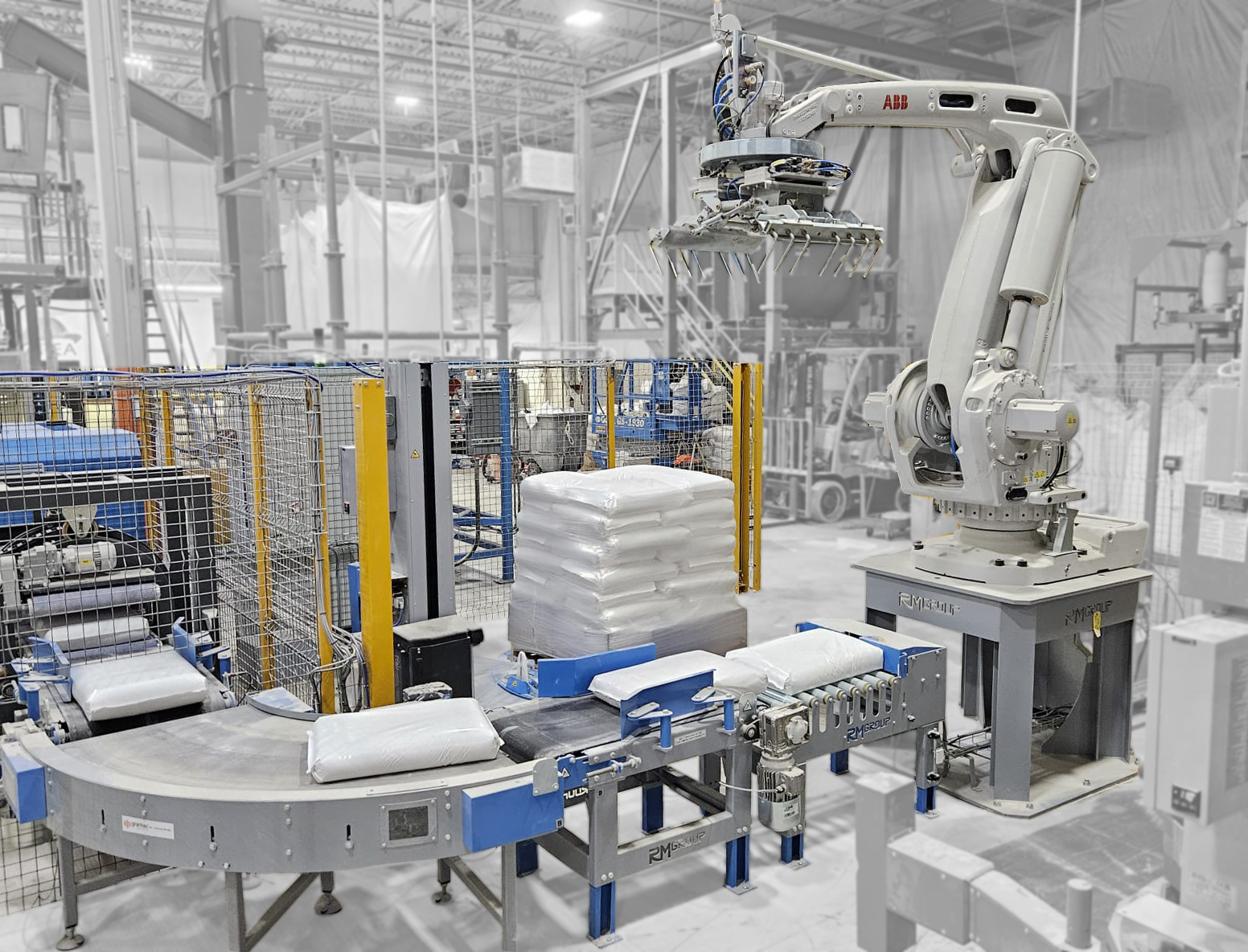
Make UK’s Make Smart 2025 report highlighted that only 10% of manufacturers are fully digitalised, including deeply integrated automation. But what is automation in manufacturing? It’s when parts, or even the entire production line, are automated using robotics with minimal manual input.
As a result, productivity and accuracy increase, and costs decrease. Yet thousands of manufacturers across the UK are either at the early stage of adoption or haven’t yet started. If you’re considering adding automations to your production line, packaging is a good place to start.
In this blog, our experts will explain what packaging automation is, how it’s used in manufacturing, and how it can be integrated into your processes.
- What is Packaging Automation in Manufacturing?
- How to Automate Packaging: A 6-Step Guide
- How to Choose the Right Packaging Automation Partner
What is Packaging Automation in Manufacturing?
Packaging automation in manufacturing involves the use of specialised technology and machinery to replace manual packing tasks. Different levels of automation can be used depending on your production line’s requirements and budget. These levels include:
- Semi: When part of the packaging process is automated
- Fully: When robots carry out the entire process
How is Automation Used in Manufacturing Packaging?
So, how exactly is packaging automation used in manufacturing? This will look different for every manufacturer and industry, as automation isn’t a one-size-fits-all solution. However, several common systems can be used to integrate automation into the packaging line, such as:
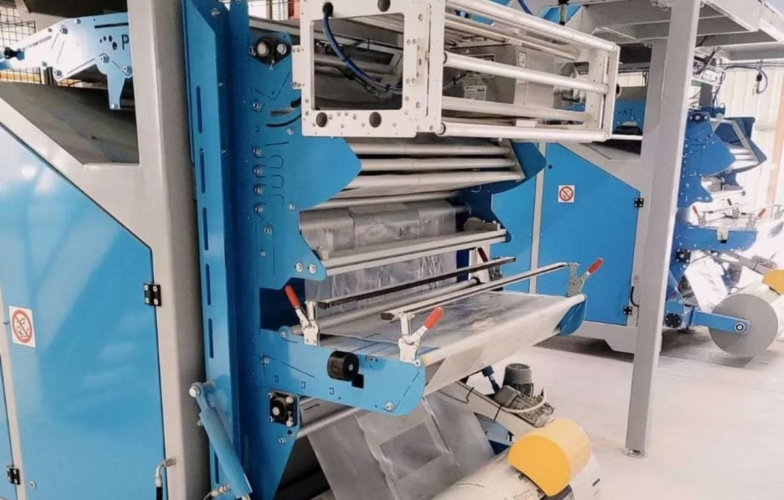
- Bagging Machines: Used to place your products into your chosen bag packaging
- Filling & Sealing Systems: Used to both fill and seal your packaging
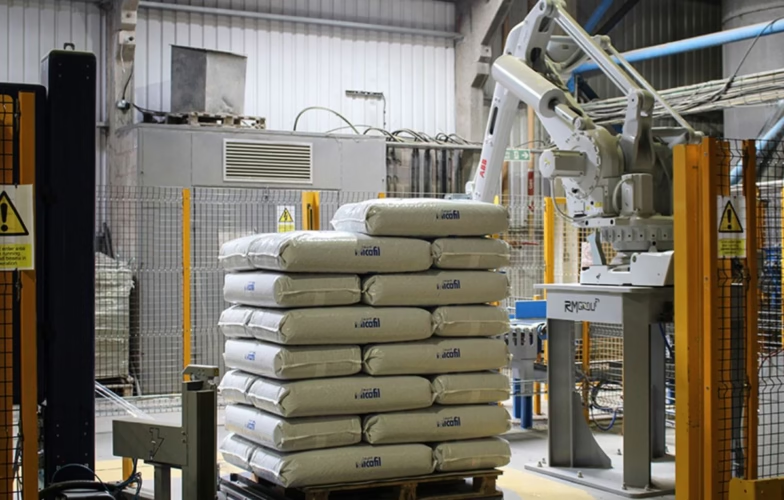
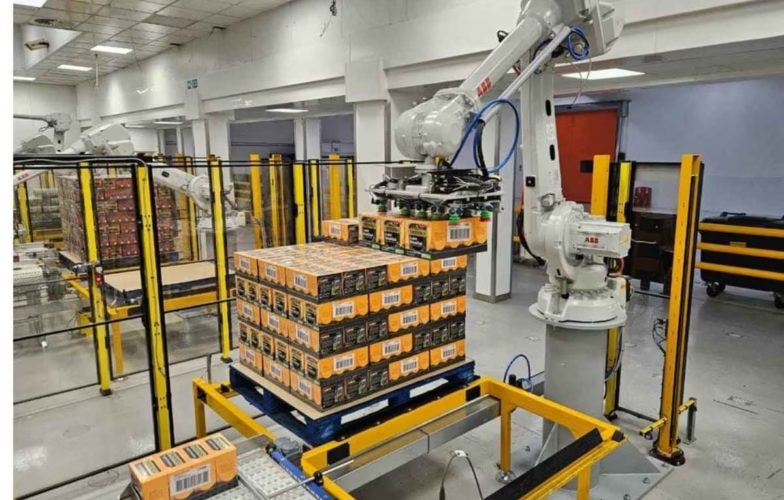
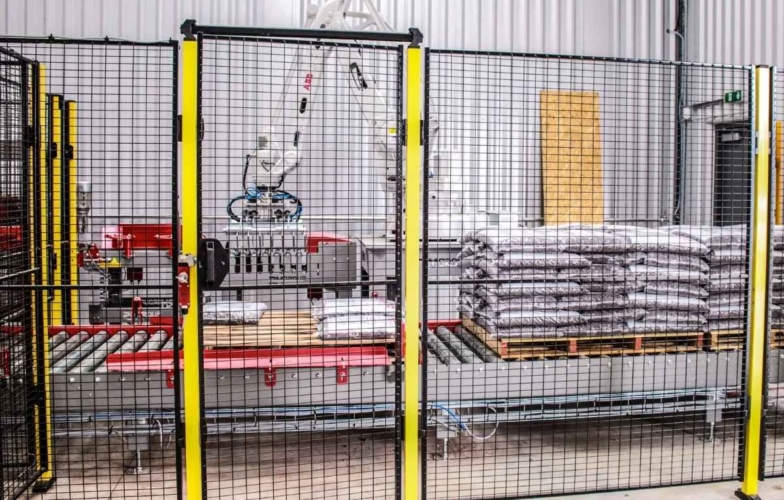
- Palletising Systems: Used to place, and sometimes wrap, your product onto pallets
- Conveyors: Used to transport your product between areas ready for packaging
Some, or even all of these systems can be utilised by a wide variety of industries, such as:
- Food production
- Construction materials
- Agriculture
- Chemical processing
- And many more
To learn more about what’s involved in end-of-line packaging automation, read our expert-led guide.
Why Automate Your Packaging Process?
Automated packaging is a valuable investment that makes manufacturing more efficient and productive. The 10% of manufacturers that are using these systems will be experiencing a number of key benefits, including:
- Increased Output: Production lines operate faster and more consistently with the help of automations, increasing output without increasing employee workload.
- Reduced Costs: When automation is integrated, despite a large initial investment, labour costs will quickly decrease, and costly mistakes will also be reduced.
- Improved Accuracy: Similarly, automated packaging ensures a level of consistency that can only be achieved with a machine, removing the risk of human error.
- Enhanced Safety: With minimal human intervention needed, employees are safer with the use of automated packaging.
Next, we’ll explore how you can start integrating packaging automation into your manufacturing process in six simple steps.
How to Automate Packaging: A 6-Step Guide
Step 1: Assess Your Current Process
The process should start with a thorough assessment of your current packaging line system. You should identify where bottlenecks are occurring and measure output, errors, and labour costs. Once you have a grasp of these key areas, you’ll be able to better determine how you’re going to automate your packaging process.
Step 2: Define Your Goals
The next step involves setting goals for your automated manufacturing process. So, consider the pain points you identified in the first step, and think about where you want to see improvements, such as speed, cost, accuracy, or scalability.
Step 3: Choose the Right Equipment
Once this step is complete, it’s time to choose which systems and machines will work best based on your product type, as well as the goals you’ve set in place. A key consideration is how your new automated systems will integrate with existing manual processes or existing automations.
If you need support with this, our knowledgeable team can help you choose the right equipment for your packaging line. Get in touch today for a consultation.
Step 4: Start with Semi-Automation (if needed)
In the same Make UK Make Smart 2025 report, it was found that 69% of manufacturers are automated. So, there’s no need to automate everything all at once. Automations are an investment that can scale alongside your business.
Step 5: Integrate Full Automation
After introducing packaging automation into your manufacturing process, the next step is to start linking the systems together to create a seamless production line. The machines can be configured to work in tandem with each other, creating an efficient line.
Step 6: Train Staff & Monitor Performance
The final step is to train your employees on how to use and maintain the equipment, as well as monitor its performance to ensure accuracy. If you’re always striving for continuous improvement, automated packaging systems can last for many years.
How to Choose the Right Packaging Automation Partner
Every manufacturer’s needs are different, whether that’s due to their product type, industry, budget, or goals. That’s why it’s so important to partner with a packaging automation specialist that understands all your requirements.
At RMGroup, we’ve been supporting our clients for over 30 years, delivering tailored solutions to a range of industries and sectors. Discover our past projects for more insight into our expertise.
Our skilful team will help at every stage of the process, from consultation and design to installation and training support. So, are you ready to automate your packaging line? If so, get in touch with us today to find out more.